
Supplied & installed
Solid Hardwood
One piece of wood, sandable for generations — right for pier-and-beam homes, wrong for most slabs in this region.
Solid hardwood is a single piece of timber, typically 3/4" thick, nailed to a wood subfloor. It can be sanded and refinished many times over, and in the right house it is the floor that outlives everything else in the building.
The qualifier is the right house. Solid wood expands and contracts with the moisture in the air, and it needs a wood subfloor to fasten into. That describes the pre-war pier-and-beam homes in the Heights, Woodland Heights, and Montrose, the older stock around downtown Tomball and historic Montgomery, and it describes second floors. It does not describe a slab-on-grade tract house, which is most of what we work in — putting solid wood over slab requires a plywood or sleeper system that adds cost, raises the floor height at every doorway, and still moves more than an engineered floor would.
We install it happily where it belongs, and we'll tell you when engineered is the better engineering answer for your house even though it sounds like the lesser product.
Where it works
- Genuine pier-and-beam construction with a wood subfloor — the Heights and Montrose, older Tomball, historic Montgomery, parts of Conroe near downtown
- Second floors over a wood subfloor
- Houses where the owner intends to refinish repeatedly over decades
- Period-correct restoration, where an engineered floor would read wrong
- Narrow plank widths, which are far less prone to seasonal gapping than wide
Where it fails
- Slab-on-grade without a properly built subfloor system — the usual, and the usual reason we recommend against it
- The crawlspace has no vapor barrier. Moisture from the ground drives the wood's moisture content and the floor cups from below
- Wide planks in a house whose humidity swings between a Houston August and a January cold snap with the heat running
- The material was acclimated for three days instead of the two-plus weeks it actually needs
- Below-grade or on-grade wet areas of any kind
What it costs
- Supplied & installed
- $10–$18/sq ft
- Material only, if you buy your own
- $5–$12/sq ft
Includes material, delivery, extended acclimation, moisture testing of the subfloor and crawlspace, nail-down installation, tear-out, transitions, and trim. Site-finished floors — sanded and finished in place after install — run at the upper end and take several additional days for cure.
What we supply
Wood delivered well ahead of install and stacked in the room to acclimate, plus fasteners, trim, and transitions. If it's a crawlspace house we'll also tell you honestly whether the crawlspace needs a vapor barrier before we lay anything on top of it — that's not our scope, but installing a wood floor over a damp crawlspace is throwing your money away.
What to ask any bidder
The specifications that decide whether this floor lasts — and the ones that rarely make it onto a quote.
- Acclimation is measured in weeks, not days, and the target is equilibrium with the house — not a number on a calendar. We meter the wood and the subfloor and install when the gap between them is within about 2–4%.
- Narrower boards gap less. A 2-1/4" strip floor in a humid climate is dramatically more forgiving than a 7" plank.
- Site-finished floors have no bevels between boards, so the surface is continuous and easier to clean; pre-finished has a tougher factory aluminum-oxide finish and no cure wait. Both are legitimate — it's a look-and-schedule tradeoff.
- A crawlspace vapor barrier is a prerequisite, not an upgrade. Without one, ground moisture will drive the floor's moisture content year-round.
- Solid wood over slab requires a plywood subfloor or sleeper system. It works, it costs meaningfully more, and it raises finished floor height — which affects door clearances and every threshold in the house.
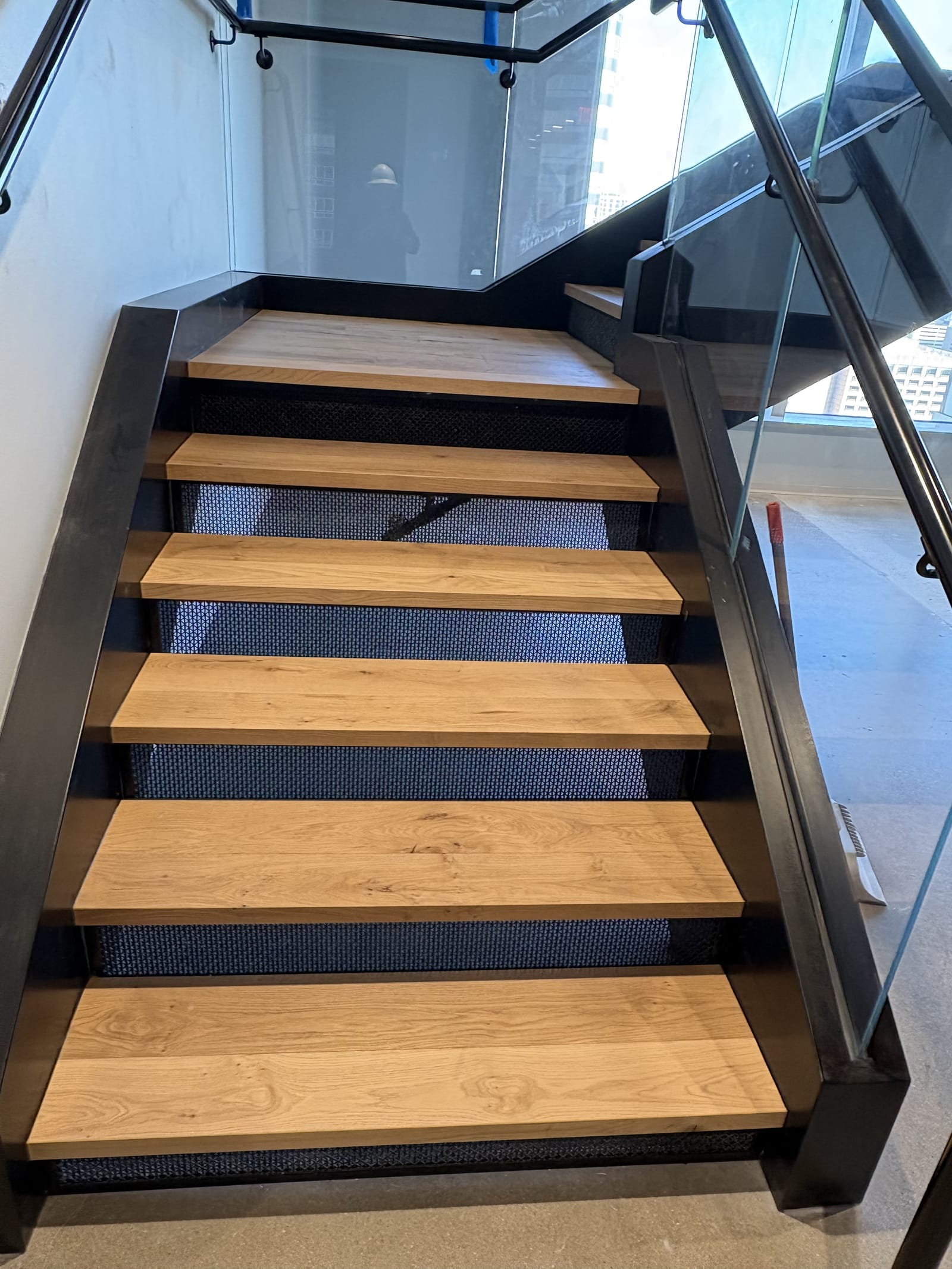
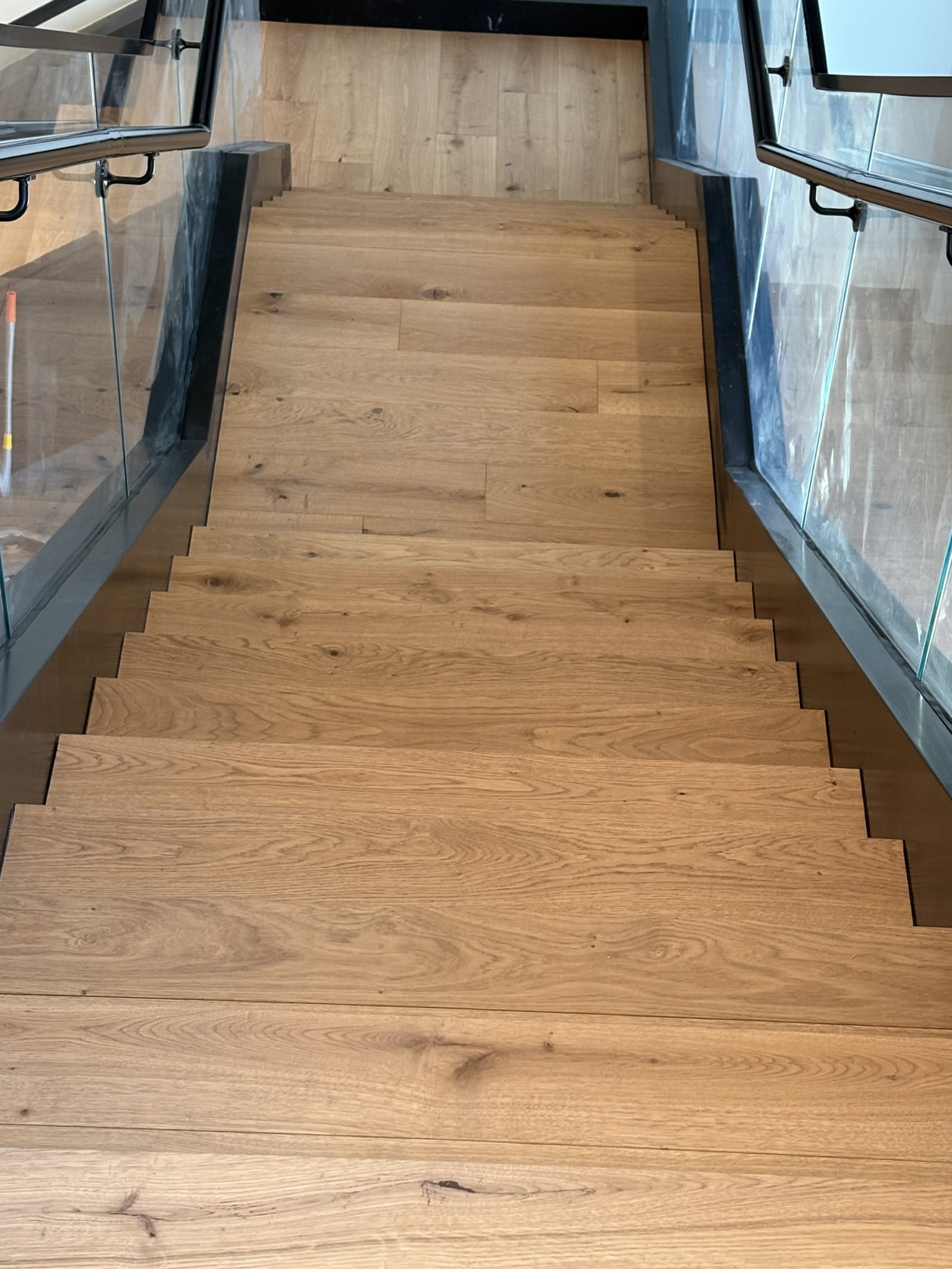
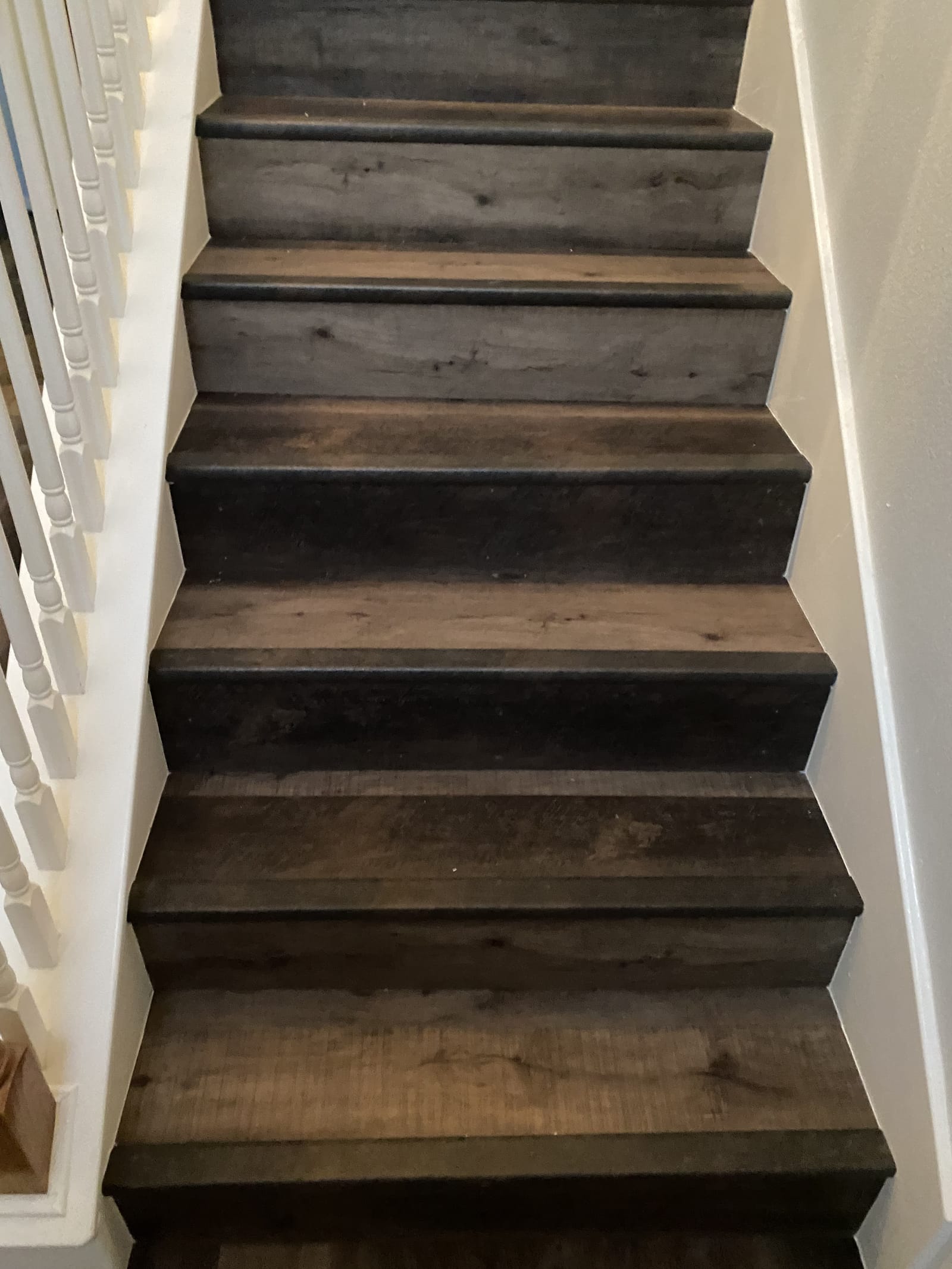
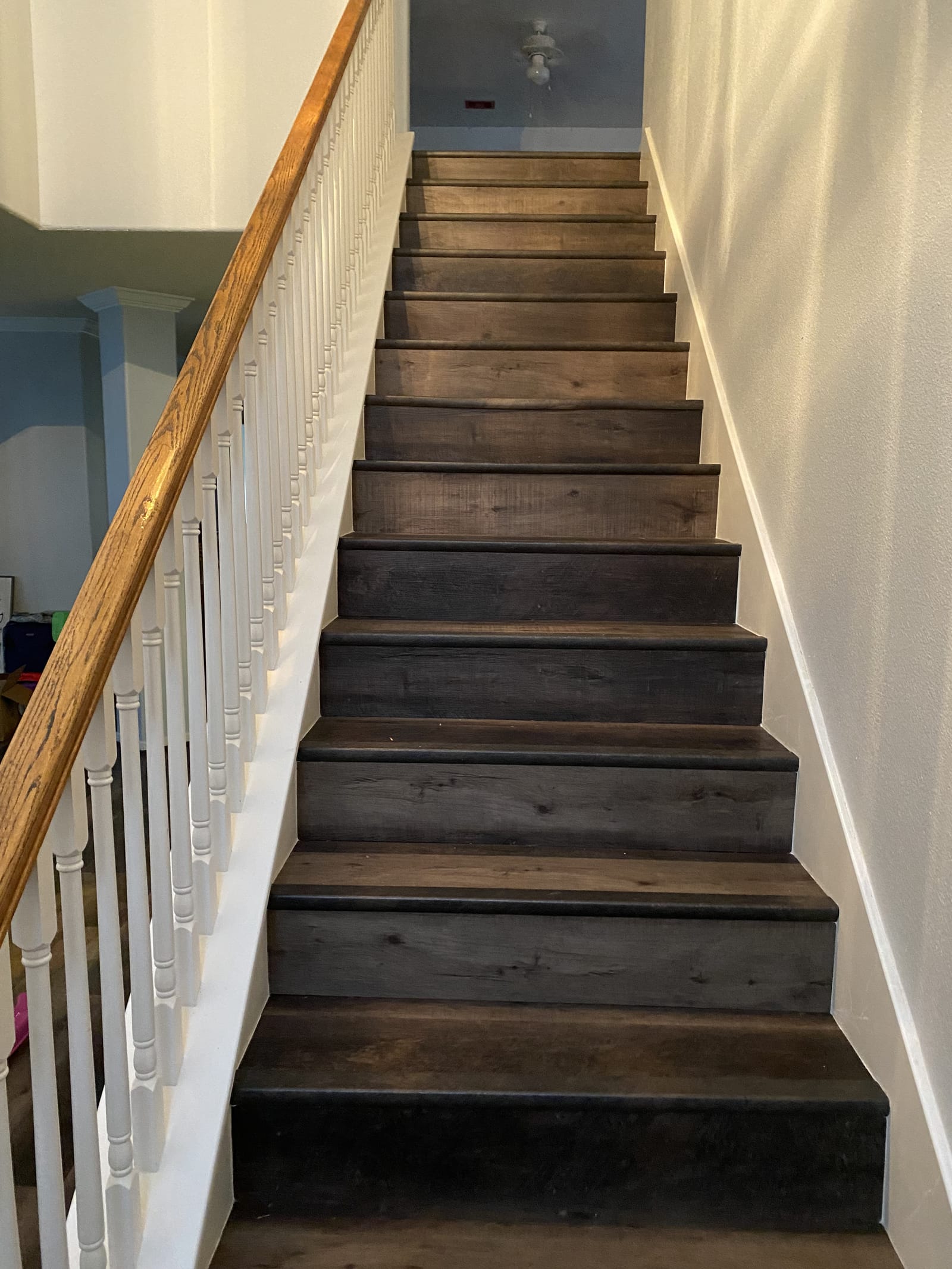
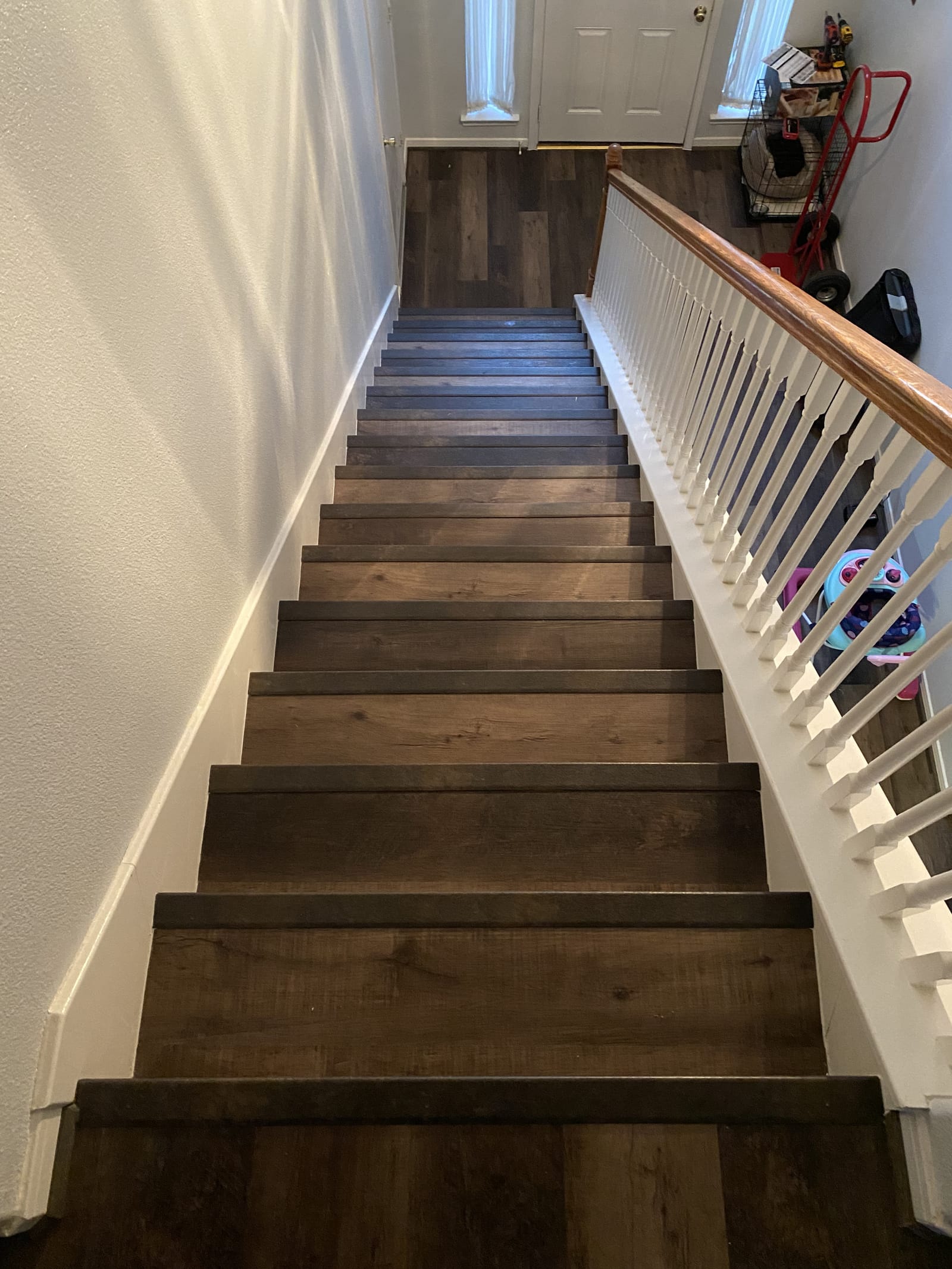
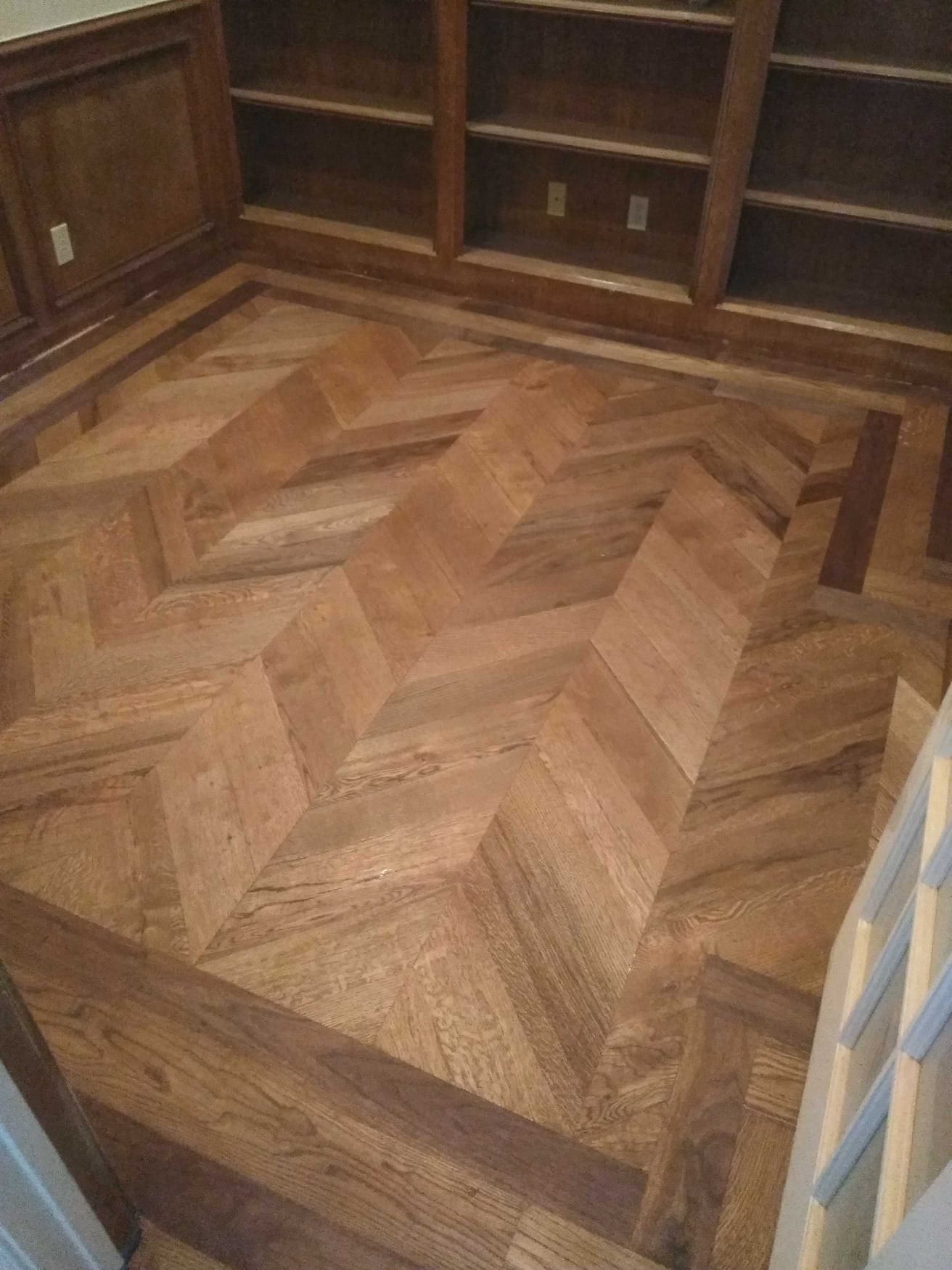
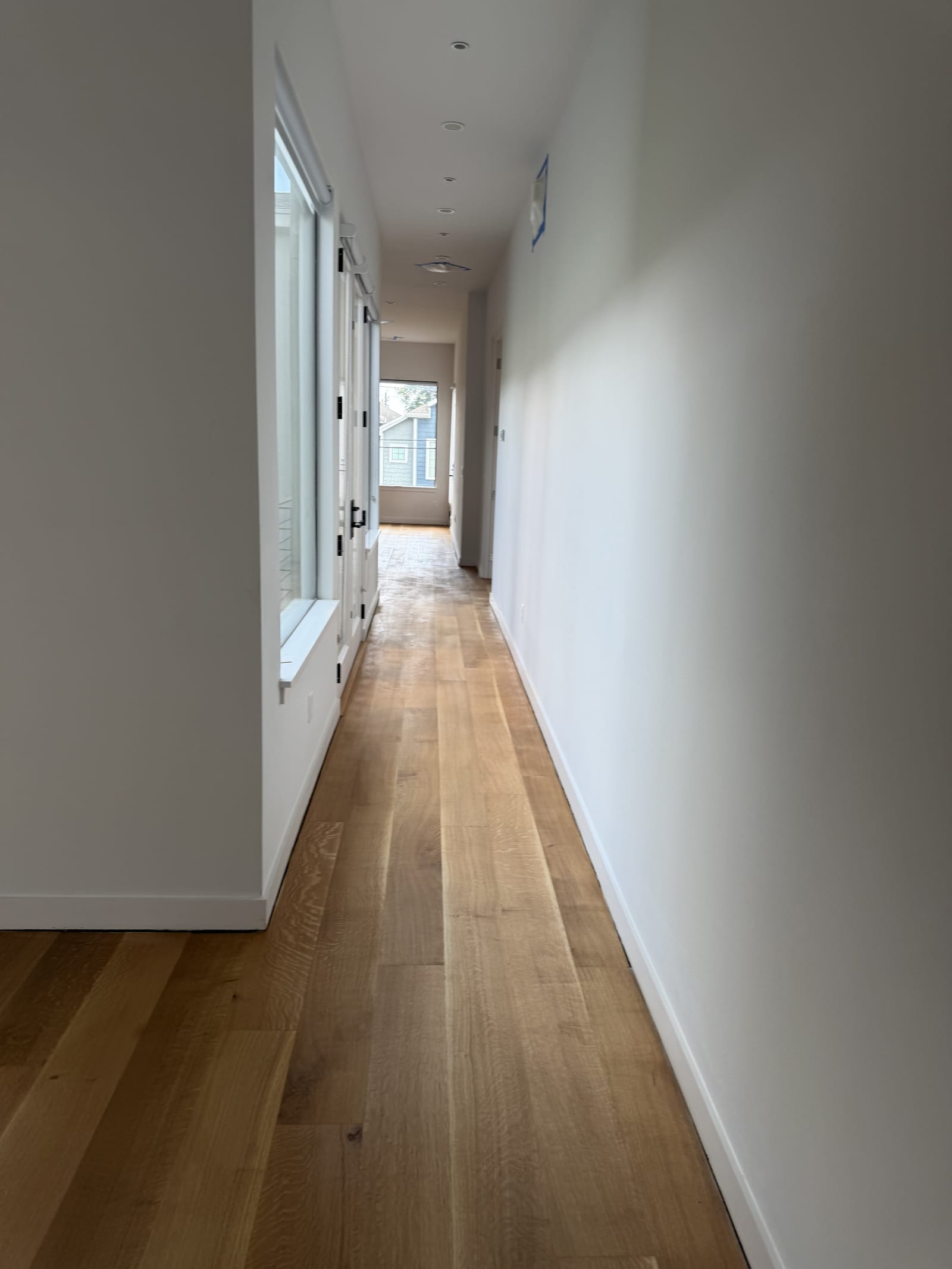
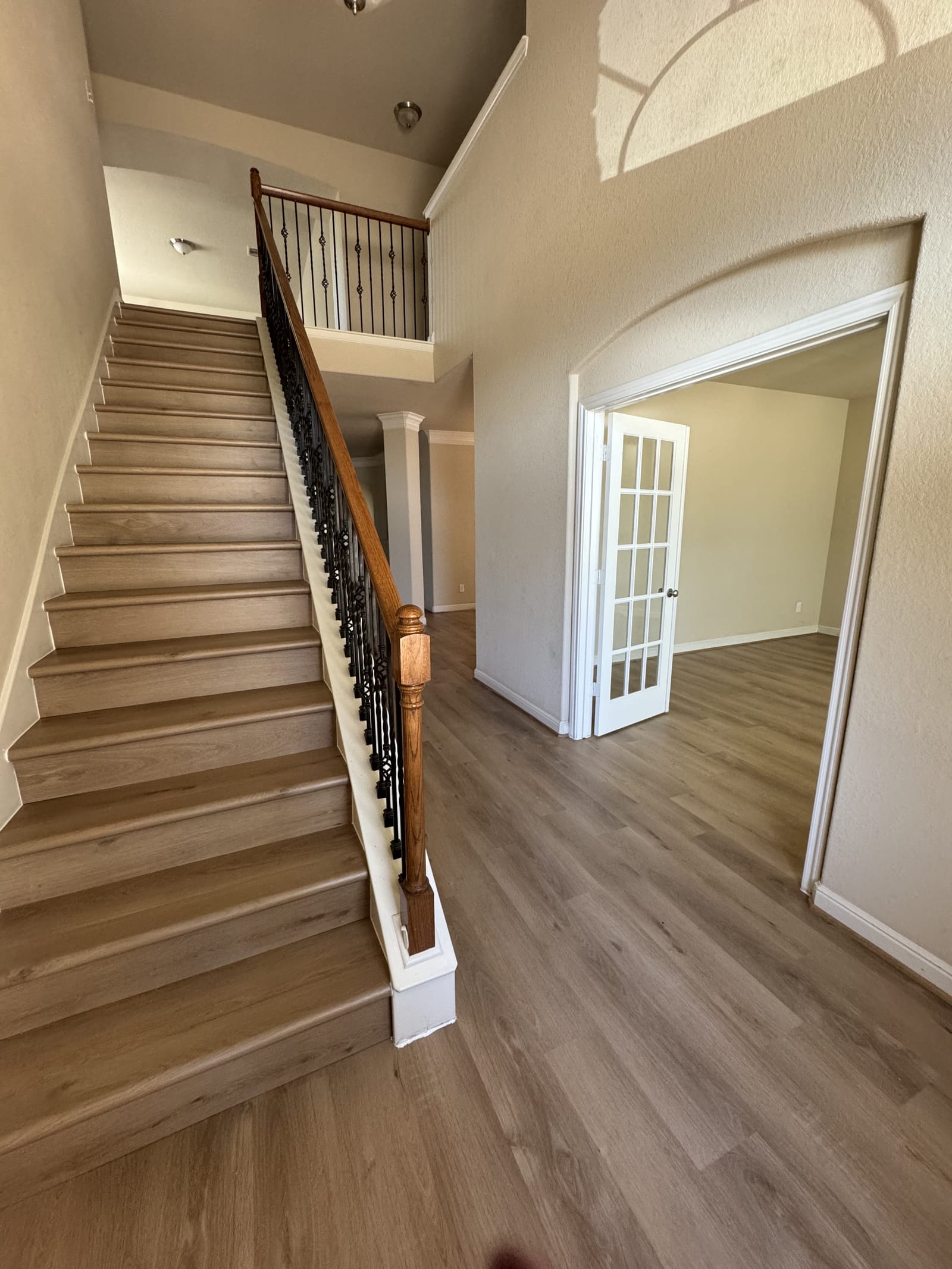
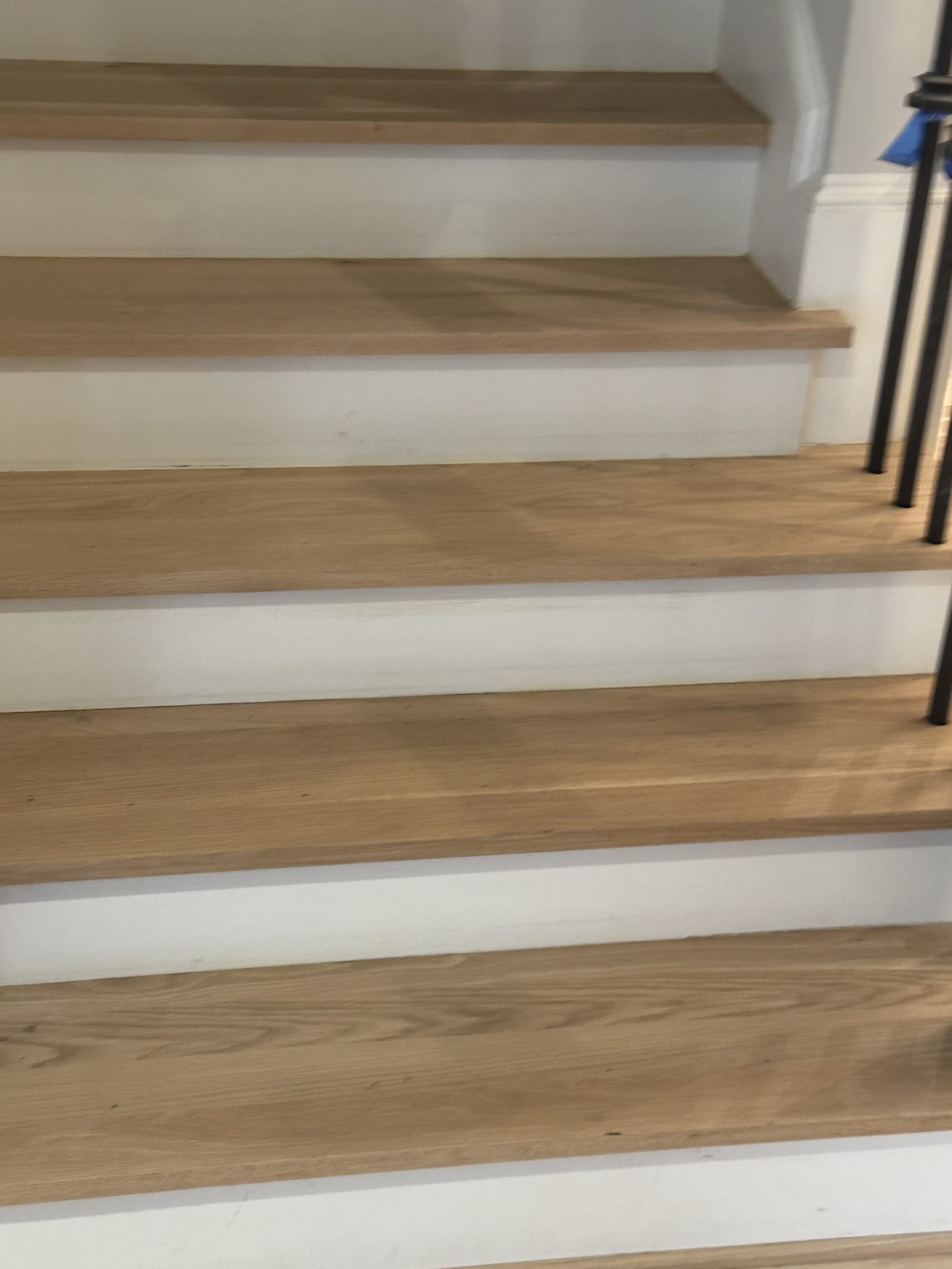
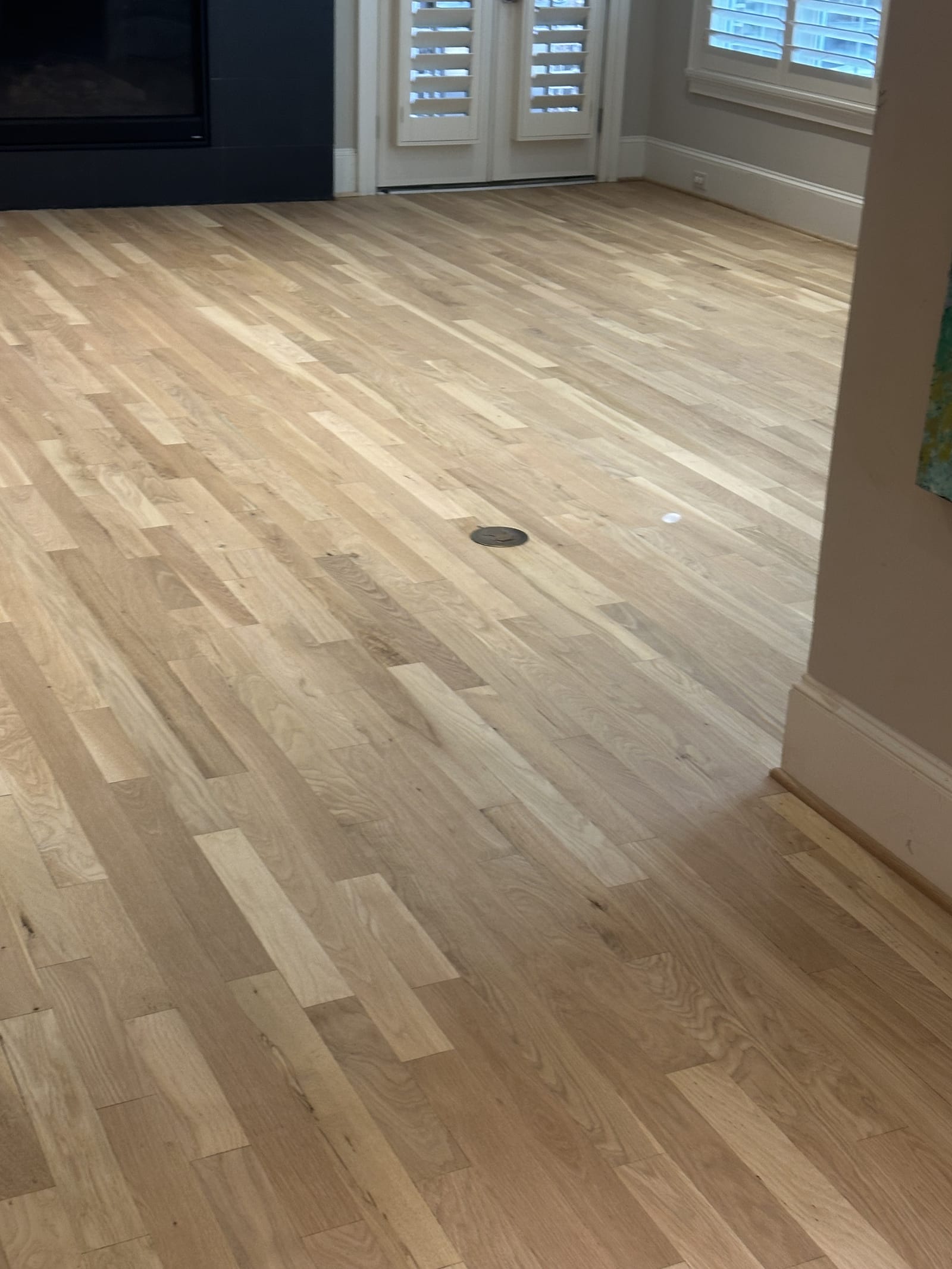
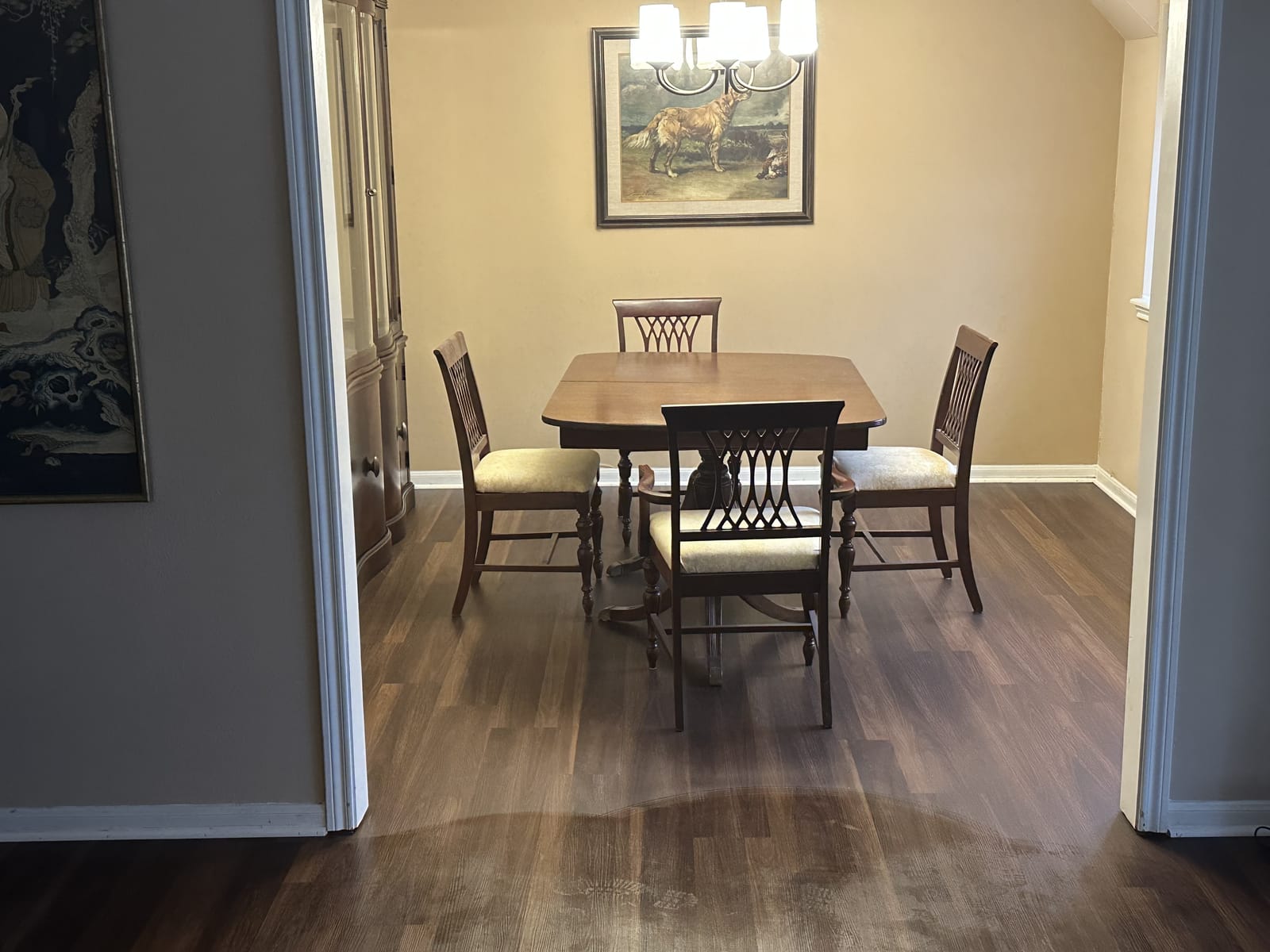
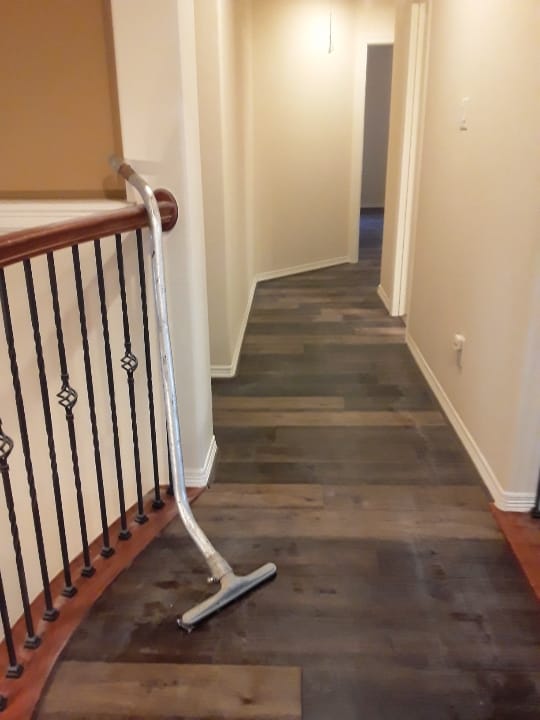
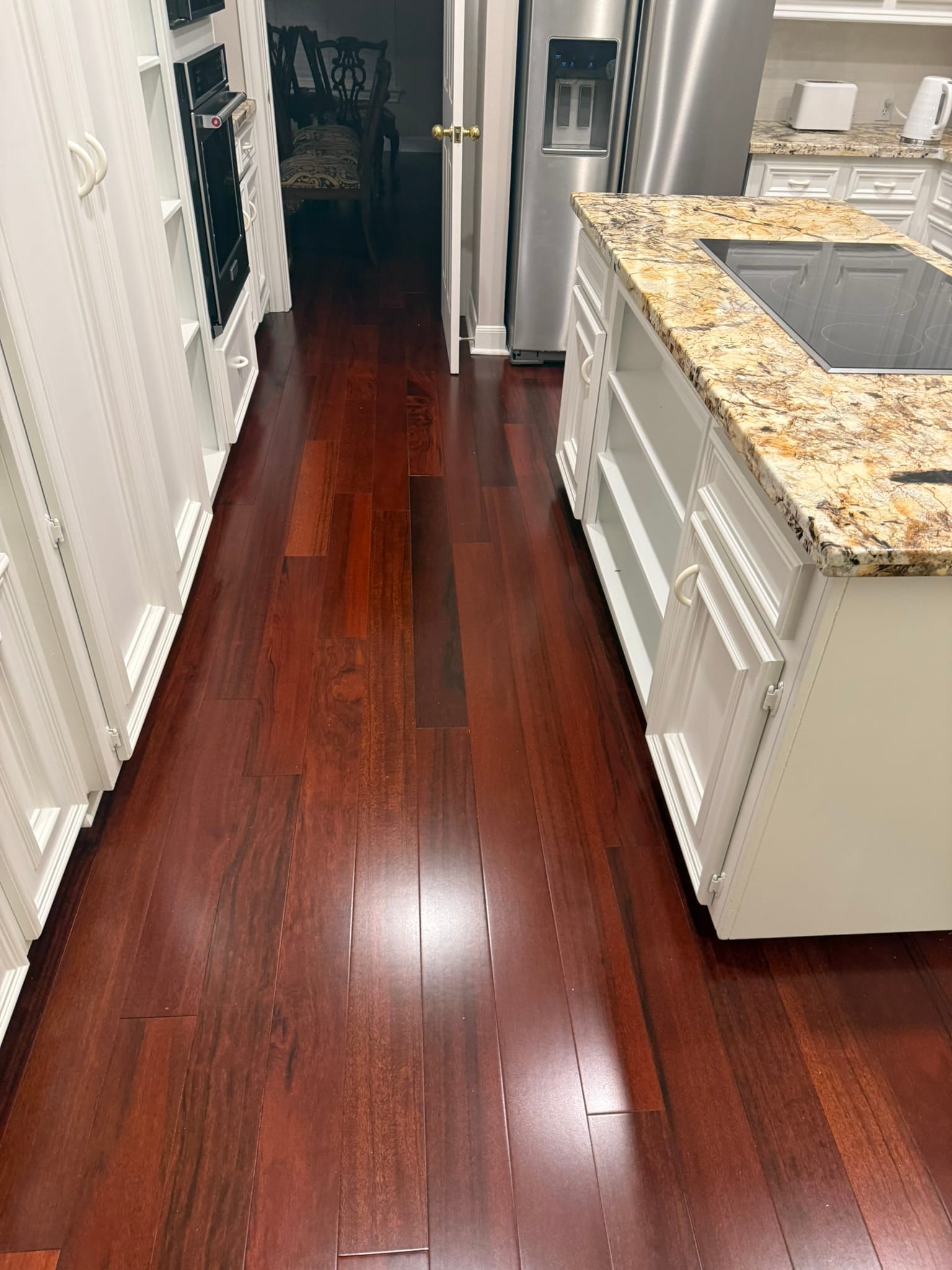
Solid Hardwoodwe’ve installed
Common questions
- Can I put solid hardwood over a concrete slab?
- Technically yes, practically it's usually the wrong call. It needs a plywood subfloor or a sleeper system built over the slab first, which adds real cost, raises the finished floor an inch or more — affecting every doorway and threshold — and still gives you a floor that moves more seasonally than an engineered one would. If you want a real wood floor on a slab, engineered hardwood with a thick wear layer gets you the same look, the same resale value, and better long-term behavior. We'd rather sell you the floor that stays flat.
- How long does solid hardwood need to acclimate?
- Weeks, not days — and the real answer is that it's ready when the wood's moisture content is within about 2–4% of the subfloor's, which we measure rather than assume. In this climate that typically means two weeks or more in the house with the HVAC running normally. An installer who delivers on Monday and lays on Tuesday is setting you up for gaps in winter or cupping in summer, and by the time it shows, the crew is long gone.
How we install it
Solid and engineered hardwood, installed for the Gulf Coast climate.
Hardwood Installation— what’s includedCompare other materials
- Waterproof Luxury Vinyl PlankThe default floor for Houston-area homes — waterproof, dimensionally stable on slab, and forgiving of humidity.$5–$9/sq ft
- Laminate FlooringThe budget hard-surface option — realistic wood look, hard-wearing top layer, but a fibreboard core that hates water.$4–$7/sq ft
- Engineered HardwoodReal wood veneer over a dimensionally stable plywood core — the way to get a genuine wood floor onto a Houston slab.$9–$16/sq ft
- Porcelain & Ceramic TileThe most durable and genuinely waterproof-capable floor available — and the one where installation quality shows most.$10–$20/sq ft
- Natural StoneTravertine, marble, slate, and limestone — genuinely unique material that asks for maintenance in return.$14–$28/sq ft
- Carpet & PadStill the right answer in bedrooms, media rooms, and rental turns — where warmth, quiet, and cost per foot matter most.$3.5–$7/sq ft