
Supplied & installed
Engineered Hardwood
Real wood veneer over a dimensionally stable plywood core — the way to get a genuine wood floor onto a Houston slab.
Engineered hardwood is real wood. The top layer is sawn from the actual species — white oak, hickory, walnut — and it is bonded to a cross-laminated plywood or HDF core that resists the seasonal movement solid wood can't. On a slab in this climate, that construction is not a compromise; it is the correct specification.
This is what we install when a customer in The Woodlands or Bentwater wants a real wood floor and the house is on a slab, which describes most of them. Glued directly to properly prepped concrete, an engineered floor gives you the look, the resale value, and the feel of hardwood without the cupping and gapping that solid wood does over Gulf Coast concrete.
The spec that decides whether it's a 15-year floor or a 40-year floor is the wear-layer thickness — how much real wood sits above the core, and therefore how many times it can be sanded and refinished.
Where it works
- Slab-on-grade houses where the customer wants genuine wood — the standard case in this market
- Higher-value homes where buyers expect wood and read vinyl as a downgrade
- Wide-plank looks, which solid wood does badly in this climate and engineered does well
- Over radiant heat, which solid wood generally can't tolerate
- Second floors, where the reduced weight and glue-down or float options both work
Where it fails
- The slab reads high for moisture and nobody mitigates. Adhesive fails, the floor releases, and it presents as hollow-sounding boards a year later
- It's a 2mm wear layer sold as a lifetime floor — that can be sanded once, if you're lucky, and not at all if the installer buffs it hard
- Full bathrooms and laundry rooms; it's still wood
- The material isn't acclimated. Delivered Monday, installed Tuesday is how you get gaps in February
- There's a dog with untrimmed nails and a soft species like hickory-look birch was chosen for grain rather than hardness
What it costs
- Supplied & installed
- $9–$16/sq ft
- Material only, if you buy your own
- $4–$10/sq ft
Includes material, delivery, on-site acclimation, moisture testing, adhesive or fastening, tear-out, transitions, and trim. Slab moisture mitigation, if the readings call for it, is quoted separately.
What we supply
Wood, adhesive, trim, and transitions — delivered to your house ahead of the install date specifically so it can acclimate in the space it's going to live in. This is the part most schedules skip and it is not optional in this climate.
What to ask any bidder
The specifications that decide whether this floor lasts — and the ones that rarely make it onto a quote.
- Wear layer is everything. 2mm cannot really be refinished; 3mm gives you one sanding; 4–6mm gives you two or three and makes the floor genuinely generational. A 6mm floor at $9/sq ft is a better buy than a 2mm floor at $6.
- Sawn-face veneer is more stable and refinishes better than rotary-peeled, which can show a faint cathedral pattern and checks more readily.
- Glue-down over slab is quieter, more solid underfoot, and less prone to hollow spots than floating. We spec it as the default here.
- Janka hardness is worth checking against your household: white oak is 1360, hickory 1820, American walnut only 1010 — walnut is beautiful and dents if you look at it.
- Calcium chloride or in-situ RH testing on the slab before install, every time. Adhesive warranties are void above the manufacturer's threshold and that's exactly when they get invoked.
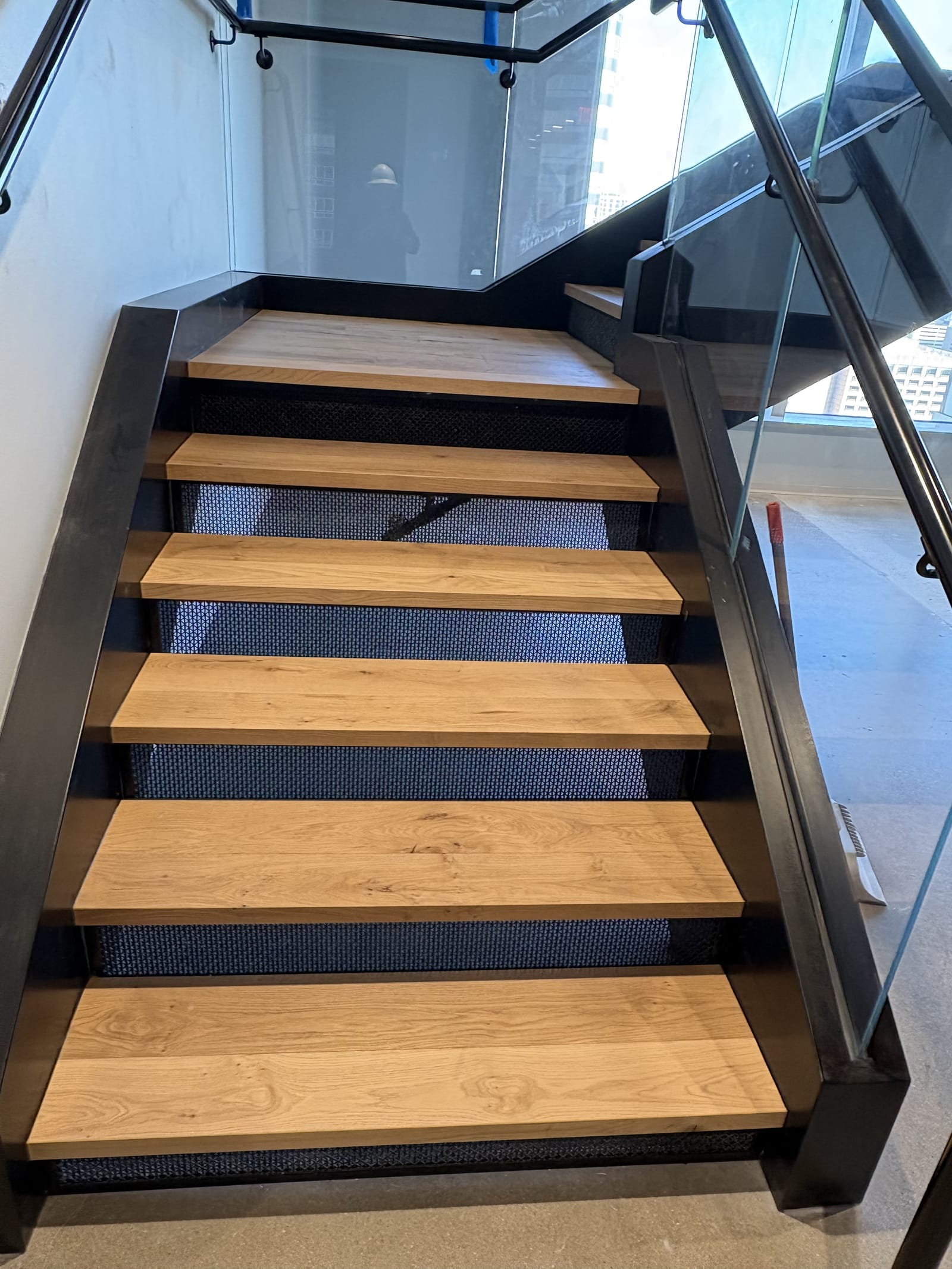
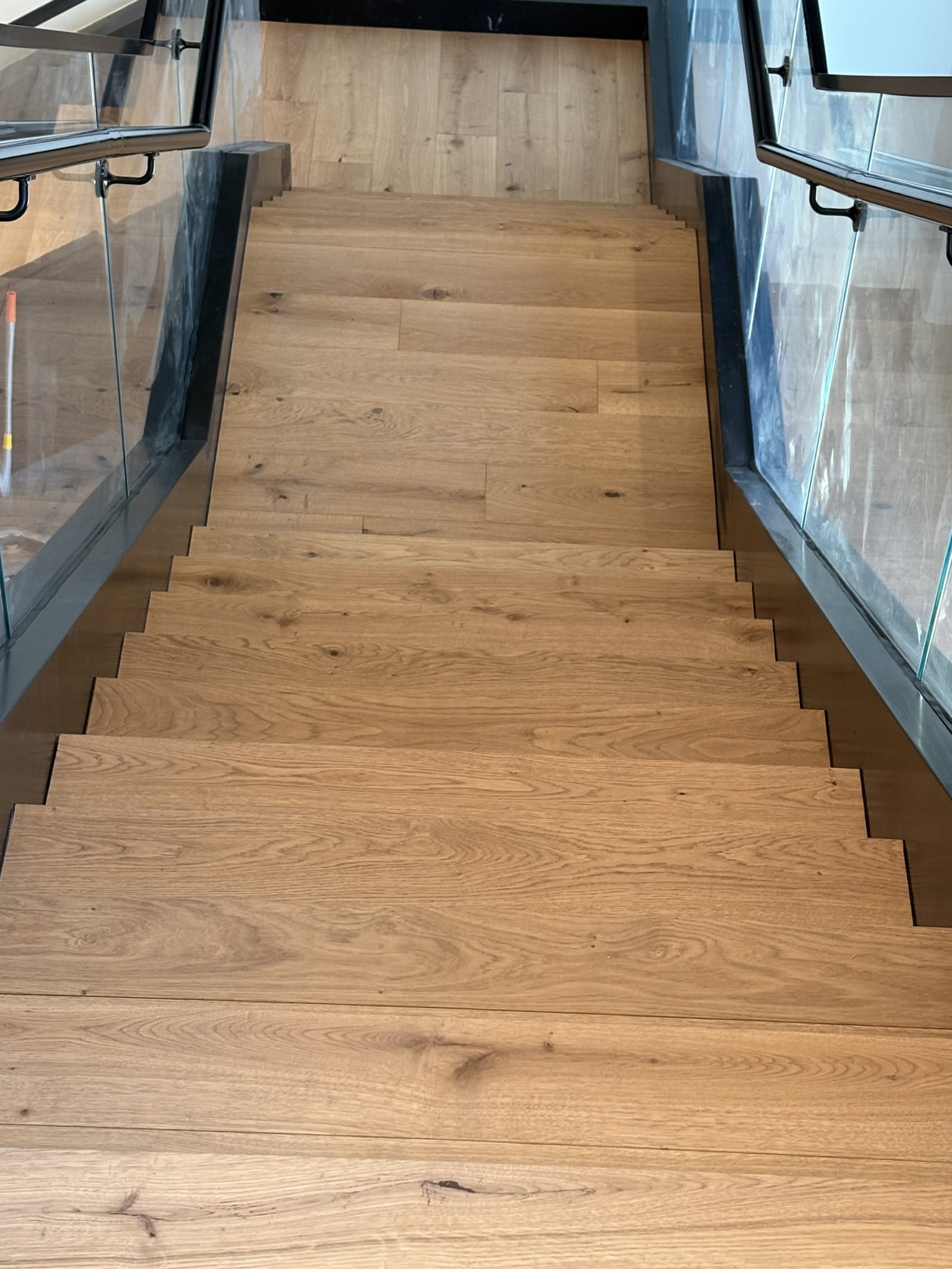
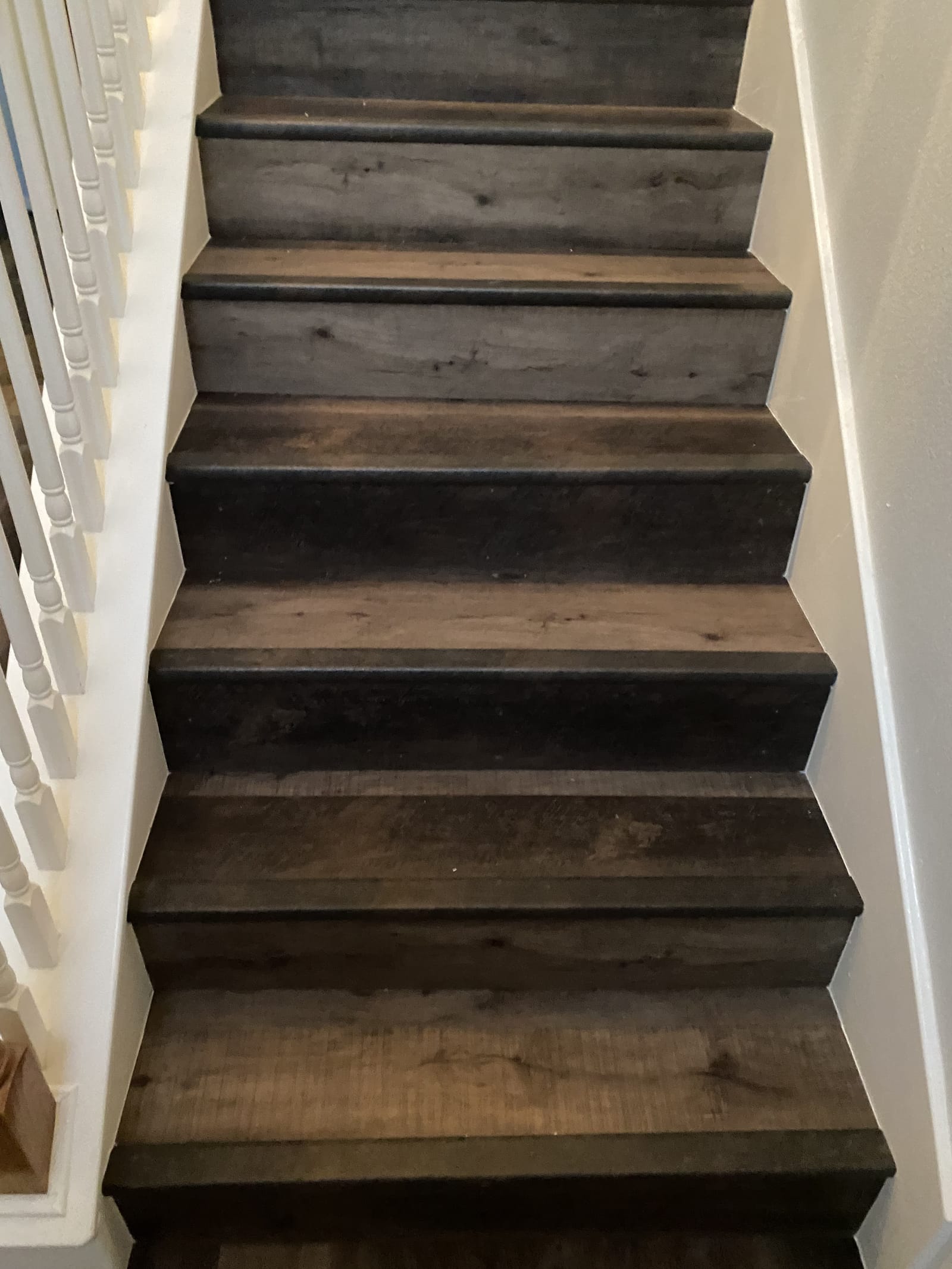
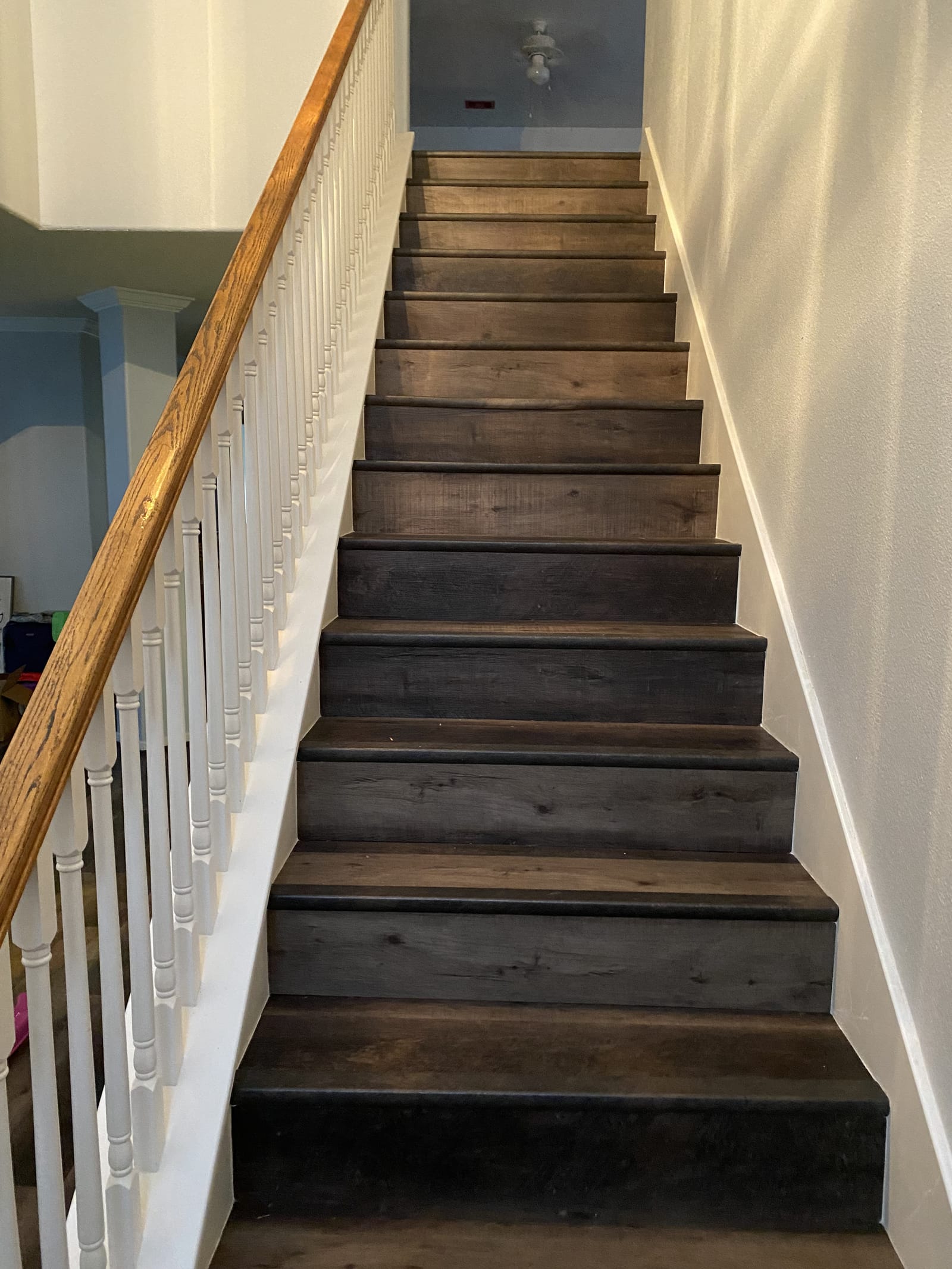
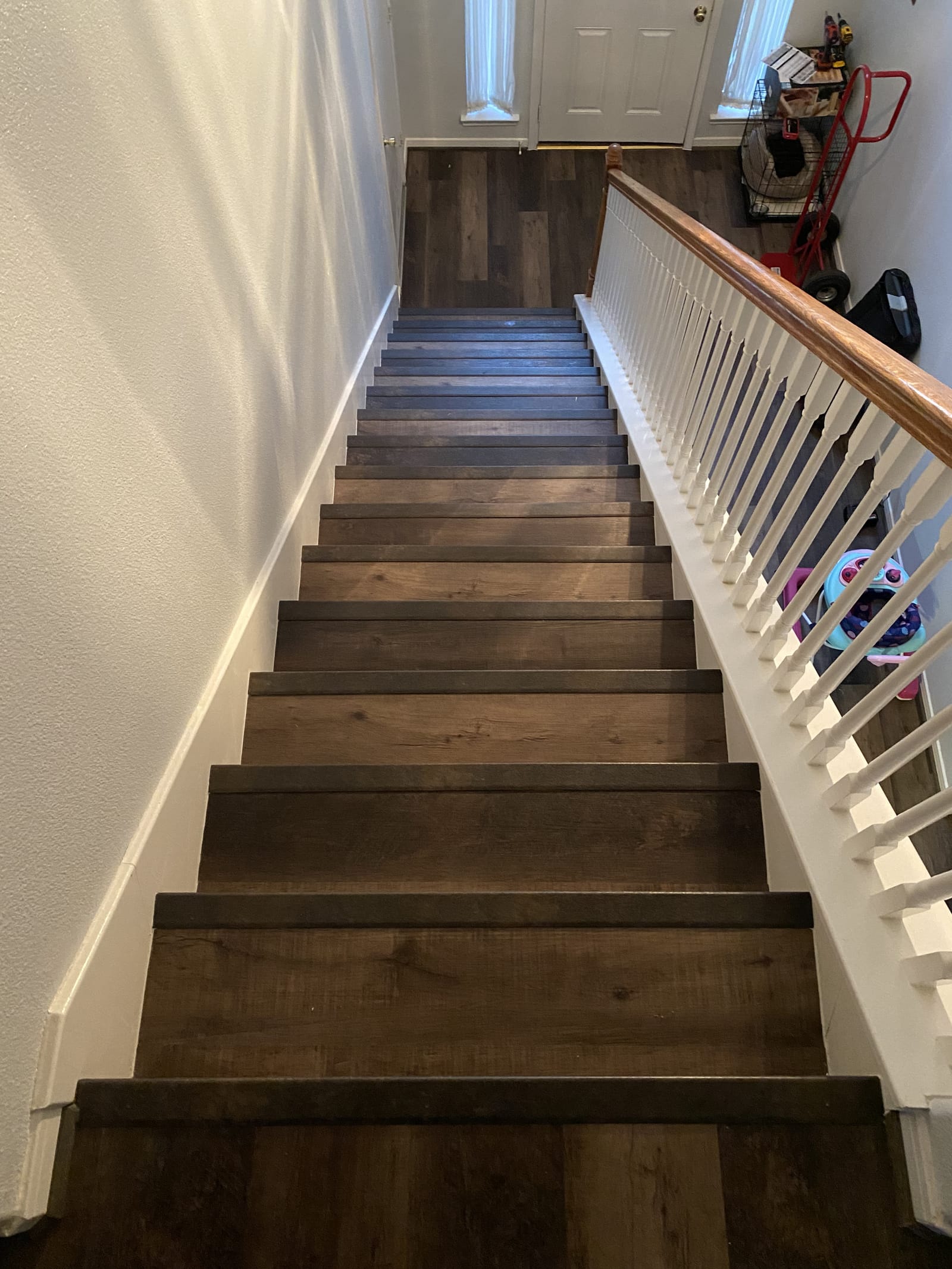
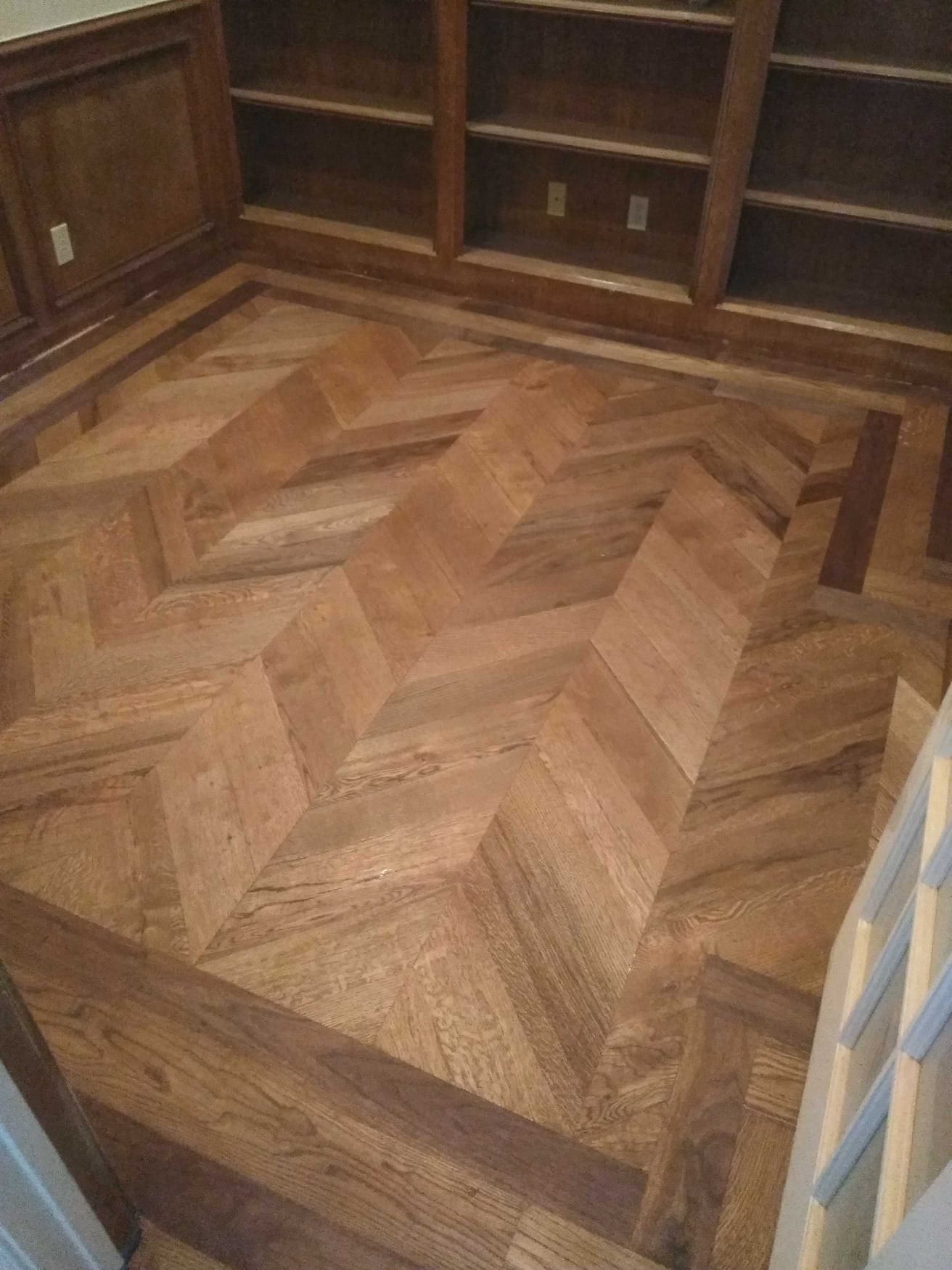
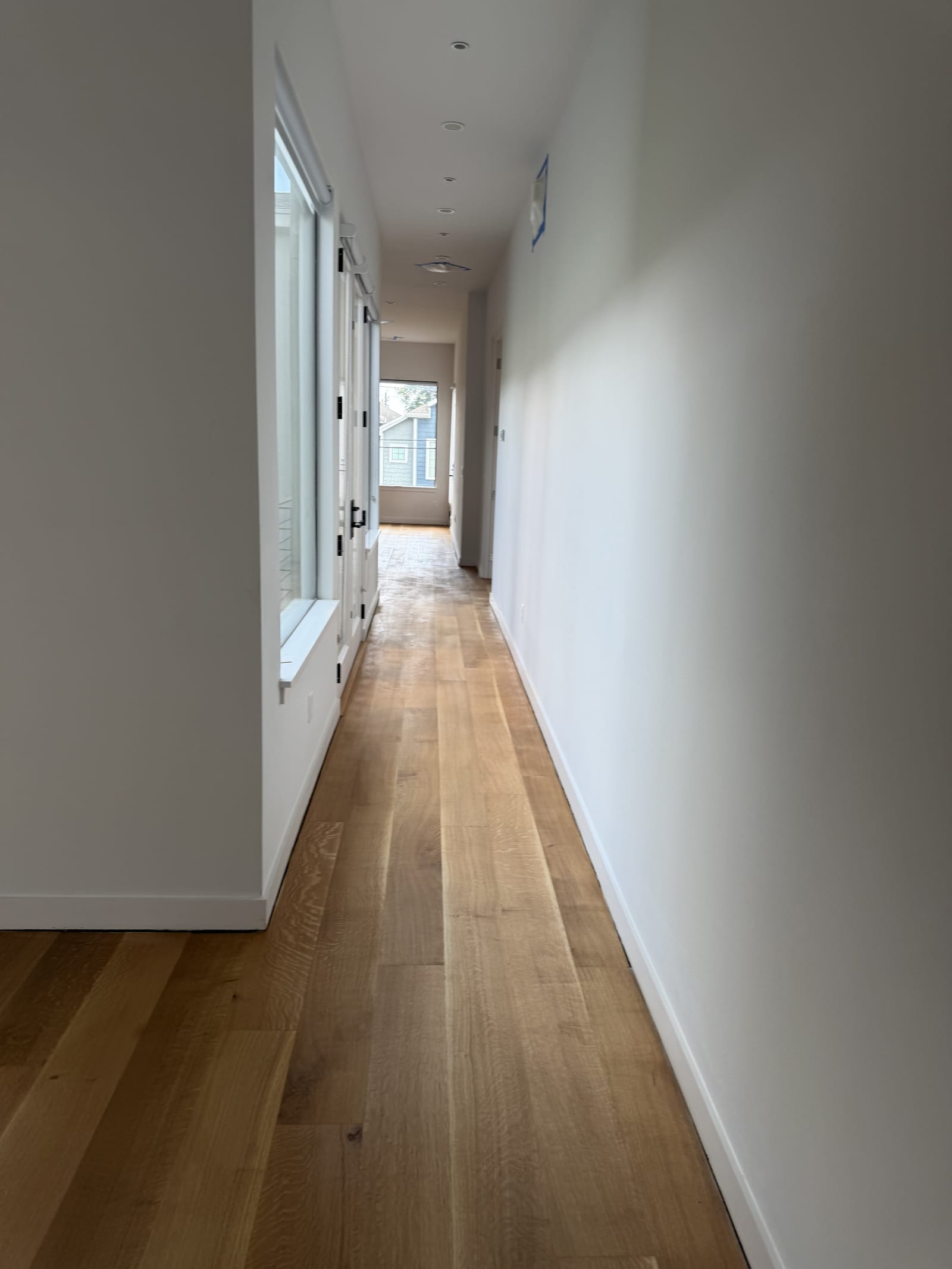
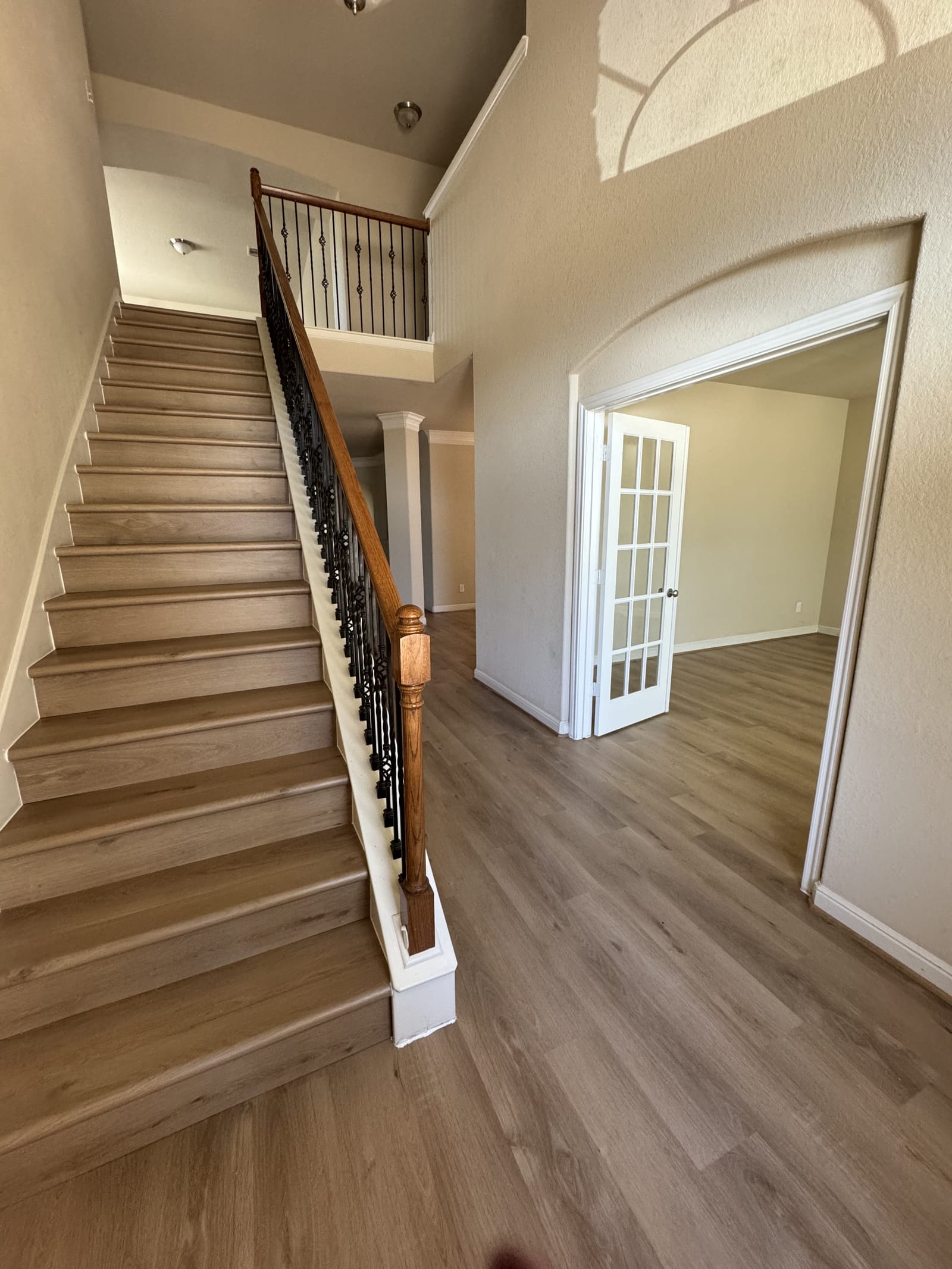
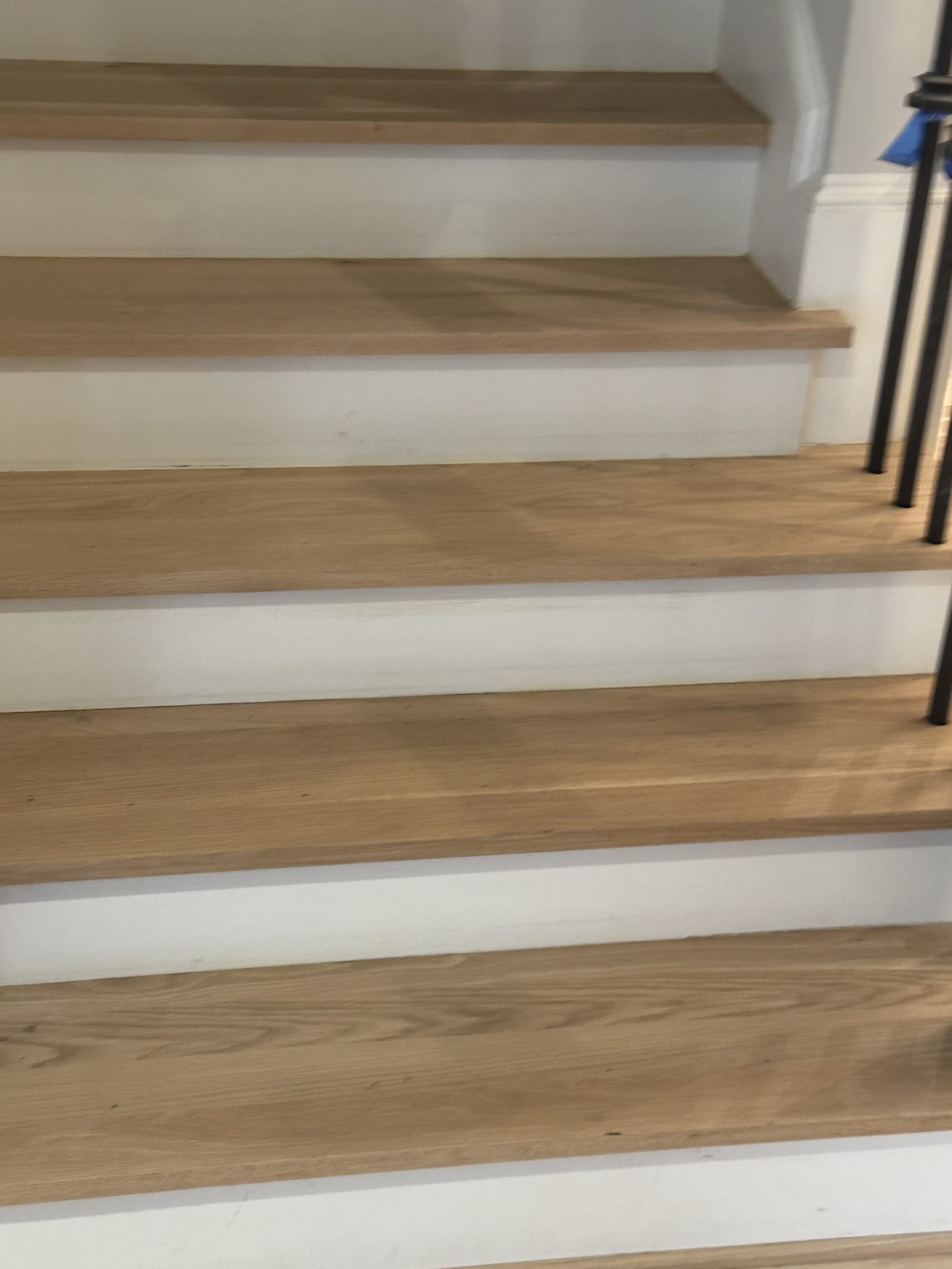
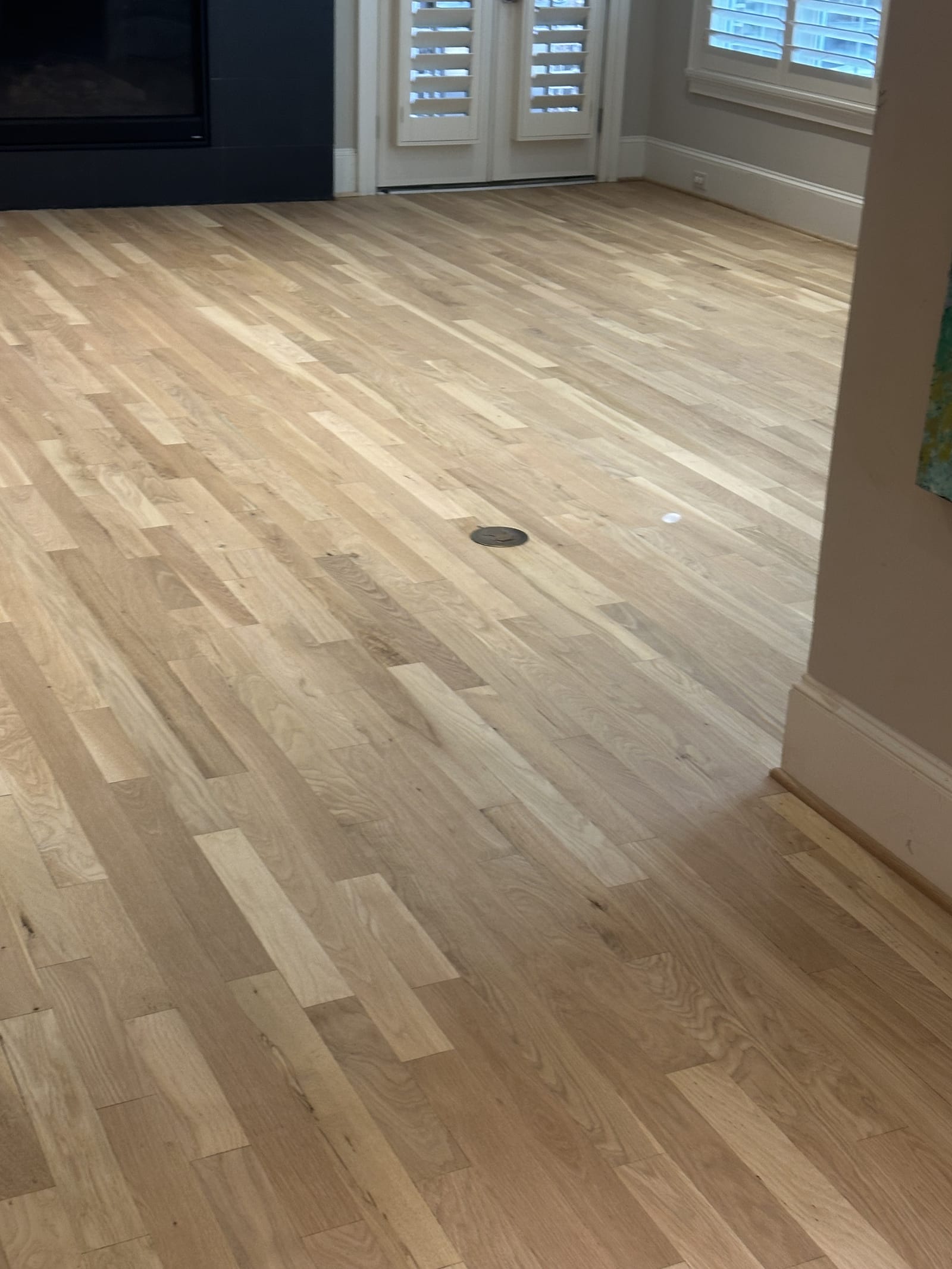
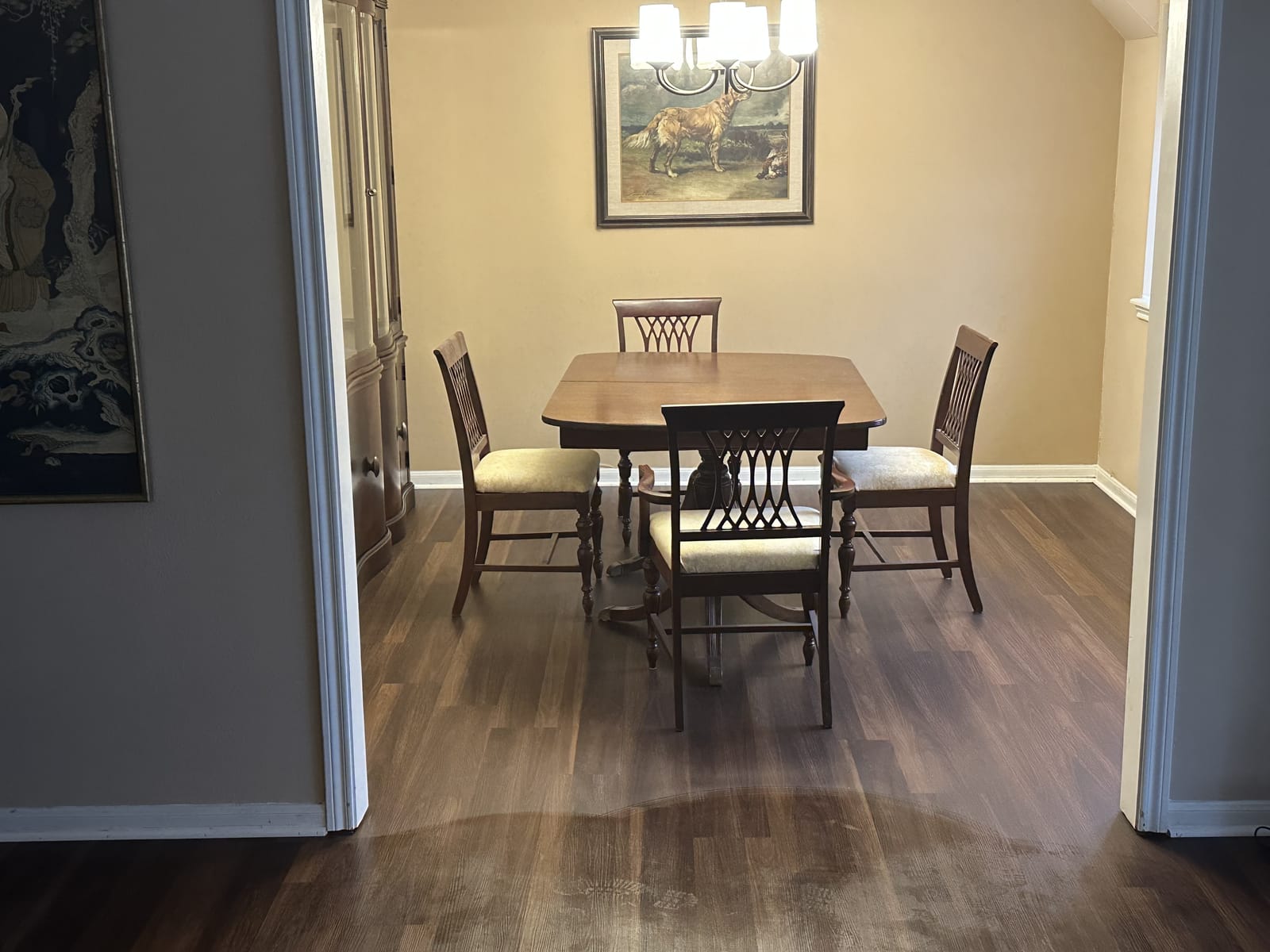
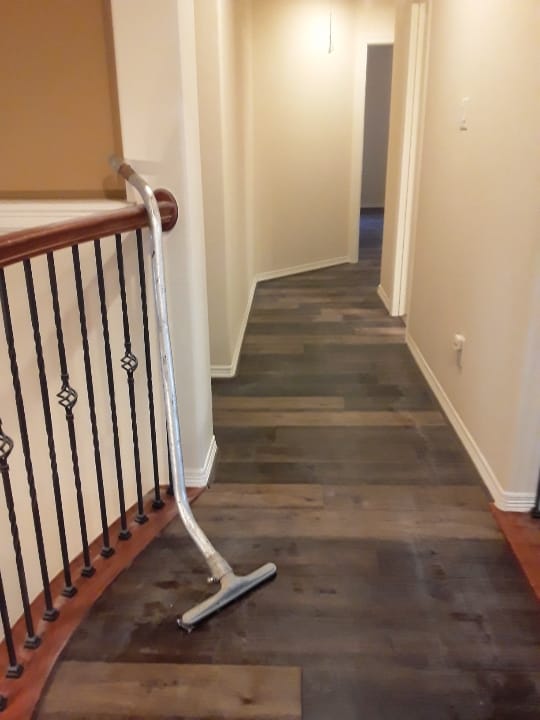
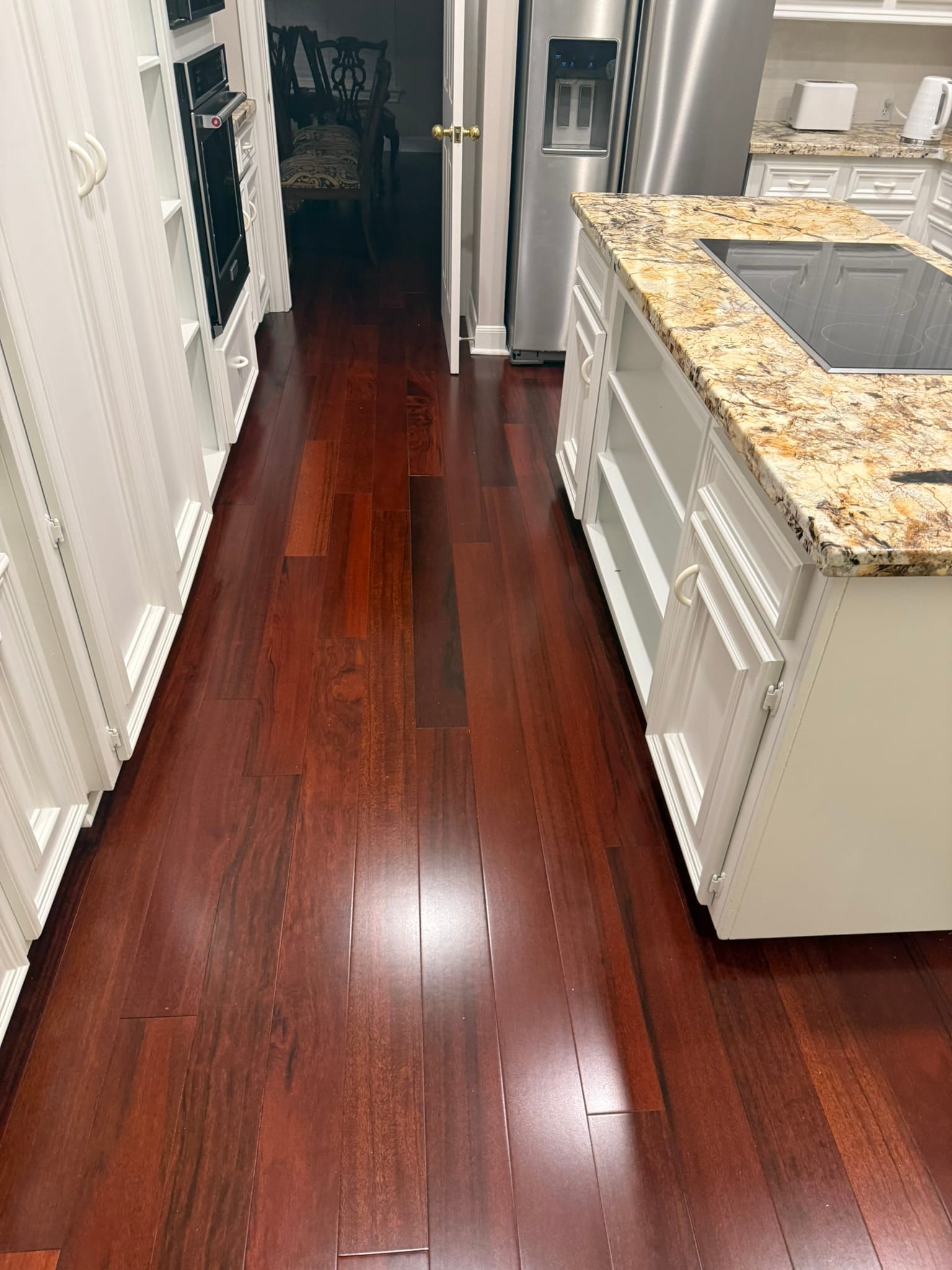
Engineered Hardwoodwe’ve installed
Common questions
- Is engineered hardwood real wood?
- Yes. The surface you walk on and see is sawn from a real hardwood log — the same species, the same grain, the same finish options as solid. What's different is underneath: instead of one solid piece, it's a stable cross-laminated core. On a concrete slab in a humid climate, that core is the reason the floor stays flat. It's the better engineering choice here, not the cheaper substitute.
- How many times can engineered hardwood be refinished?
- It depends entirely on the wear layer, and this is the number to ask for before you buy. A 2mm veneer realistically can't be sanded at all. 3mm gives you one careful refinish. 4mm to 6mm gives you two or three, which puts the floor's life well past thirty years. Showroom pricing rarely leads with this spec, and two floors that look identical on the sample board can differ by a factor of three in how long they last.
How we install it
Solid and engineered hardwood, installed for the Gulf Coast climate.
Hardwood Installation— what’s includedCompare other materials
- Waterproof Luxury Vinyl PlankThe default floor for Houston-area homes — waterproof, dimensionally stable on slab, and forgiving of humidity.$5–$9/sq ft
- Laminate FlooringThe budget hard-surface option — realistic wood look, hard-wearing top layer, but a fibreboard core that hates water.$4–$7/sq ft
- Solid HardwoodOne piece of wood, sandable for generations — right for pier-and-beam homes, wrong for most slabs in this region.$10–$18/sq ft
- Porcelain & Ceramic TileThe most durable and genuinely waterproof-capable floor available — and the one where installation quality shows most.$10–$20/sq ft
- Natural StoneTravertine, marble, slate, and limestone — genuinely unique material that asks for maintenance in return.$14–$28/sq ft
- Carpet & PadStill the right answer in bedrooms, media rooms, and rental turns — where warmth, quiet, and cost per foot matter most.$3.5–$7/sq ft